
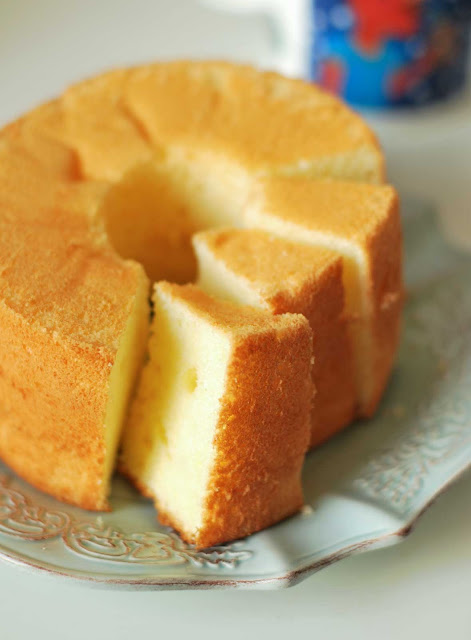

The Ultimate Light & Zesty Dessert: Chiffon Cake with Lemon Icing
There is something truly magical about a Chiffon Cake. It’s the kind of dessert that feels like a celebration in every bite—lofty, delicate, and impossibly soft. When you pair that cloud-like texture with the bright, sunshine-filled flavor of fresh lemons, you get a masterpiece that is perfect for tea parties, birthdays, or just a lazy Sunday afternoon.
If you’ve been looking for the perfect Chiffon Cake with Lemon Icing, look no further. This YadaChef favorite is a kitchen staple that never fails to impress.
What Makes Chiffon Cake So Special?
If you’re new to baking chiffon cakes, you might wonder how they differ from a standard sponge or butter cake. Chiffon is actually a hybrid! It uses the leavening power of beaten egg whites (like an Angel Food cake) but includes oil and egg yolks for a richness and moisture that you won’t find in fat-free sponges.
The result? A cake that doesn’t dry out, stays tender for days, and has a “crumb” so light it practically melts on your tongue.
The Secret to a Sky-High Rise
The beauty of this recipe lies in the technique. To get that iconic height and airy texture, we follow a few golden rules:
-
Separate Your Eggs: We whip the egg whites to stiff, glossy peaks to trap air, while the yolks provide the golden color and velvety flavor.
-
Use an Ungreased Pan: This might feel counterintuitive, but the batter needs to “climb” the walls of the pan to rise.
-
The Upside-Down Cool: Once out of the oven, we invert the pan. Cooling the cake upside down prevents the delicate structure from collapsing under its own weight while it sets.
The Crowning Glory: Tangy Lemon Icing
While the cake is a star on its own, the Lemon Icing is what truly brings it to life. We use fresh lemon zest and juice to create a glaze that is both sweet and sharp. It seeps slightly into the top of the cake, adding a punch of citrus that perfectly balances the light sweetness of the chiffon.
Why You’ll Love This Recipe
-
Fresh Ingredients: No artificial extracts here—just the bright, natural oils from fresh lemon zest.
-
Perfect for Any Season: Refreshing in the summer heat, but bright enough to wake up your palate in the middle of winter.
-
Make-Ahead Friendly: Because of the oil-based batter, this cake stays moist much longer than traditional butter cakes.
Chiffon cake is a classic and for good reason. Beaten egg whites give the cake its light, airy, lofty texture, egg yolks give it body, and the secret ingredient–vegetable oil–lends tenderness. For a citrus boost, drizzle the cake with lemon icing. From the venerable Joy of Cooking.
CHIFFON CAKE WITH LEMON ICING
INGREDIENTS
- For the chiffon cake
- 2 1/4c/270g sifted cake flour
- 1 1/2c/300g granulated sugar
- 1T/12g baking powder
- 1t/4g salt
- 5 large egg yolks
- 3/4c/180ml water
- 1/2c/120ml vegetable oil
- 1t grated lemon zest
- 1t/5ml vanilla extract
- 8 large egg whites
- 1/2 teaspoon cream of tartar
- For the lemon icing
- 4 tablespoons unsalted butter (55 g)
- 2c/225g confectioners sugar, sifted if lumpy
- 1-2T/15 to 30ml fresh lemon juice
- Zest of 1 lemon
- 1/8 teaspoon salt
- 1t/15ml vanilla extract
DIRECTIONS
- Make the chiffon cake
- 1. Preheat the oven to 325°F (160°C).
- 2. In a large bowl, stir together the cake flour, 1 1/4 cups sugar, baking powder, and salt.
- 3. In another bowl with a standing mixer on high speed, beat the egg yolks, water, vegetable oil, lemon zest, and vanilla until smooth. Stir this into the flour mixture and keep stirring until the batter is smooth.
- 4. In a third bowl with the stand mixer on medium speed and with clean beaters, beat the egg whites and cream of tartar until soft peaks form. Gradually add the remaining 1/4 cup sugar, switch to high speed, and beat until stiff but not dry peaks form.
- 5. Using a rubber spatula, gently fold 1/4 of the beaten egg whites into the batter to lighten it. Then gently fold in the remaining whites. Carefully scrape the batter into an unbuttered 10-inch tube pan with a removable bottom and use the spatula to smooth the surface. Bake the cake until the top springs back when lightly pressed and a cake tester, toothpick, or strand of spaghetti inserted in the center comes out clean, 55 to 65 minutes.
- 6. Turn the pan with the cake upside down, propping the tube of the pan on a long slender bottle or resting the pan on four short glasses. Let the cake cool in the pan for 1 1/2 hours.
- 7. To unmold the cake, slide a thin knife around the cake to detach it from the pan, pressing the knife against the pan to avoid tearing the cake. Repeat to delicately detach the cake from the center tube. Then pull the tube upward. The cake should release from the sides of the pan. Slide the knife under the cake to detach it from the bottom. Place a wire cooling rack or a plate over the top of the cake pan, turn the cake pan and rack or plate upside down, and let the cake drop onto the rack or plate. Turn the cake right side up and place it on a rack to cool completely before icing it.
- Make the icing
- 8. Melt the butter in the top of a double boiler or a bowl set over but not touching gently simmering water. Remove from the heat and stir in the confectioners sugar, lemon juice, zest, and salt until smooth. Return the pan to the heat and warm the icing over barely simmering water, stirring occasionally, for 5 minutes. Remove from the heat and stir in the vanilla.
- 9. Beat the icing briefly if you want a pourable glaze or for several minutes until completely cool if you want a thicker, spreadable icing. You can place the pan in a larger pan filled halfway with ice water to quicken the cooling process.
- 10. Drizzle or spread the icing over the cooled cake. Let set before serving.
0 Comments